A kitchen remodel can completely transform the look and feel of a home, but one question often stops homeowners in their tracks: should the existing cabinets be refinished or replaced entirely? Cabinets are among the most noticeable features in any kitchen, and their condition can significantly impact both appearance and functionality. When cabinets begin to look outdated, worn, or damaged, homeowners are faced with an important decision that can affect their budget, timeline, and long term satisfaction.
The good news is that both Cabinet Refinishing Modesto and cabinet replacement offer unique advantages. The right choice depends on factors such as the condition of the existing cabinets, renovation goals, budget considerations, and desired design changes. Understanding the differences between these two options can help homeowners make a confident and informed decision.
Understanding Cabinet Refinishing
Cabinet refinishing is the process of updating the appearance of existing cabinets without replacing the cabinet boxes. The original cabinet structure remains in place while the exterior surfaces are restored and refreshed.
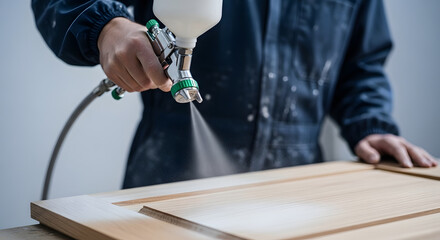
This process typically includes cleaning, sanding, repairing minor imperfections, and applying new paint, stain, or protective coatings. Cabinet doors and drawer fronts are often refinished alongside the cabinet frames to create a consistent appearance throughout the space.
Refinishing focuses primarily on aesthetics rather than structural changes. It allows homeowners to modernize the look of their kitchen while preserving the existing layout and cabinet configuration.
Because the original cabinets remain intact, refinishing is often viewed as a practical solution for cabinets that are structurally sound but visually outdated.
Understanding Cabinet Replacement
Cabinet replacement involves removing existing cabinets and installing entirely new cabinetry. This process provides homeowners with the opportunity to redesign the kitchen layout, increase storage capacity, and introduce new cabinet styles and features.
Replacement allows for complete customization. Homeowners can choose different cabinet sizes, door profiles, materials, finishes, and organizational accessories that better suit their needs.
In many cases, cabinet replacement becomes necessary when existing cabinets are severely damaged, poorly constructed, or no longer functional. Water damage, structural deterioration, and outdated configurations may make replacement the more practical option.
While replacement offers maximum flexibility, it is generally a larger project that requires more planning, labor, and investment compared to refinishing.
Cost Comparison Between Refinishing and Replacement
Cost is often one of the biggest factors influencing the decision between cabinet refinishing and cabinet replacement. In most cases, refinishing is significantly less expensive because the existing cabinet framework remains in place.
Refinishing primarily involves labor, surface preparation, repairs, and finishing materials. Since there is no need to purchase entirely new cabinets, material costs are typically much lower.
Replacement requires the removal and disposal of existing cabinets, purchase of new cabinetry, installation labor, and potential modifications to surrounding elements. Additional expenses may arise if countertops, backsplashes, plumbing, or electrical systems need adjustment during the renovation process.
For homeowners seeking a noticeable kitchen transformation while maintaining a manageable budget, refinishing often provides excellent value. However, if the cabinets are beyond repair or no longer meet functional needs, replacement may justify the higher investment.
Time Requirements for Each Option
Project timelines vary considerably between refinishing and replacement. Cabinet refinishing is generally much faster because it focuses on improving existing surfaces rather than rebuilding the kitchen.
Most refinishing projects can be completed within several days to two weeks, depending on the size of the kitchen and the complexity of the work. Preparation, repairs, painting or staining, and curing times all contribute to the overall schedule.
Cabinet replacement typically requires a longer timeline. Demolition, cabinet ordering, delivery, installation, and potential adjustments to surrounding systems can extend the project for several weeks or longer.
For homeowners who want to minimize disruption to daily life, refinishing often offers a more convenient solution. The shorter timeline allows families to return to normal routines much sooner.
Appearance and Design Flexibility
Both refinishing and replacement can dramatically improve the appearance of a kitchen, but they offer different levels of design flexibility.
Refinishing allows homeowners to change colors, update finishes, and restore worn surfaces. Cabinets can be transformed from dark wood tones to bright painted finishes or vice versa. This approach can make a kitchen feel modern and refreshed without altering its basic layout.
Replacement offers a greater degree of customization because every aspect of the cabinetry can be redesigned. Homeowners can select entirely new door styles, cabinet heights, storage features, and configurations.
Those who are satisfied with their current kitchen layout may find refinishing more than adequate for achieving their design goals. On the other hand, homeowners seeking a completely new look and improved functionality may benefit more from replacement.
The desired scope of change often plays a significant role in determining which option is better suited to a particular project.
Evaluating Cabinet Condition
The condition of the existing cabinets is one of the most important factors when deciding between refinishing and replacement.
Cabinets that remain structurally sound are usually excellent candidates for refinishing. Solid cabinet boxes, functioning drawers, and durable construction provide a strong foundation for cosmetic improvements.
Minor scratches, fading, discoloration, and surface wear can often be addressed successfully through refinishing. These issues typically do not affect the cabinet’s structural performance.
However, extensive water damage, warped panels, broken frames, or severe deterioration may indicate that replacement is the better option. Refinishing damaged cabinets may improve appearance temporarily, but it will not solve underlying structural problems.
A thorough inspection can help determine whether the existing cabinets have the integrity needed to support a refinishing project.
Environmental Considerations
Sustainability has become an increasingly important factor in home improvement decisions. Cabinet refinishing is often considered the more environmentally friendly option because it extends the life of existing materials.
By keeping cabinet boxes and other components in use, refinishing reduces waste and minimizes the demand for new raw materials. Fewer discarded cabinets end up in landfills, making refinishing an attractive choice for environmentally conscious homeowners.
Replacement generates more construction waste and typically requires additional manufacturing resources to produce new cabinetry. While many modern cabinets incorporate sustainable materials, the overall environmental impact is generally greater than refinishing.
Homeowners interested in reducing their environmental footprint often appreciate the resource conserving benefits of cabinet refinishing.
Long Term Value and Durability
Both refinishing and replacement can provide long term value when performed properly. The best choice depends on the quality of the existing cabinets and the homeowner’s future plans.
Refinished cabinets can remain attractive and functional for many years. High quality preparation and finishing techniques create durable surfaces that resist daily wear and maintain their appearance over time.
Replacement offers the advantage of entirely new materials and construction. Modern cabinets may include advanced storage solutions, improved hardware, and upgraded features that enhance usability.
For homeowners planning to stay in their home for many years, replacement may provide opportunities to improve functionality and accommodate changing lifestyle needs. However, refinishing often delivers an excellent return on investment when the existing cabinetry remains structurally sound.
Both options have the potential to enhance property appeal and contribute positively to overall home value.
When Cabinet Refinishing Is the Better Choice
Cabinet refinishing is often the ideal solution when cabinets are in good condition but simply need a visual update. Homeowners who like their current kitchen layout and storage configuration can achieve dramatic improvements without the expense of replacement.
Refinishing is also beneficial for projects with limited budgets or tight timelines. The process allows homeowners to modernize the appearance of their kitchen while preserving existing cabinetry.
Historic homes or properties with custom built cabinets may particularly benefit from refinishing because it maintains original craftsmanship while improving aesthetics.
For many homeowners, refinishing provides an effective balance between affordability, convenience, and visual impact.
When Cabinet Replacement Is the Better Choice
Replacement becomes the preferred option when cabinets have significant structural issues or when major design changes are desired. Homeowners seeking a completely different kitchen layout often require new cabinetry to achieve their goals.
Replacement also allows for improvements in storage efficiency. Features such as deeper drawers, specialized organizers, and enhanced accessibility can greatly improve everyday functionality.
If cabinets have suffered extensive damage or are constructed from low quality materials, replacement may offer a more reliable long term solution. Investing in new cabinetry can eliminate recurring maintenance concerns and provide a fresh start for the entire kitchen.
While replacement involves greater costs and longer timelines, it offers unmatched flexibility for comprehensive kitchen transformations.
Final Thoughts
When comparing cabinet refinishing vs cabinet replacement, there is no universal answer that applies to every home. The better option depends on the condition of the existing cabinets, renovation goals, budget, timeline, and desired level of customization. Cabinet refinishing offers a cost effective and environmentally friendly way to refresh the appearance of structurally sound cabinets, while cabinet replacement provides complete design freedom and functional upgrades. By carefully evaluating the strengths and limitations of each approach, homeowners can choose the solution that best aligns with their needs and create a kitchen that remains beautiful and functional for years to come.